Historic Harbour Town
Cobh, Co Cork
Cobh, Co Cork
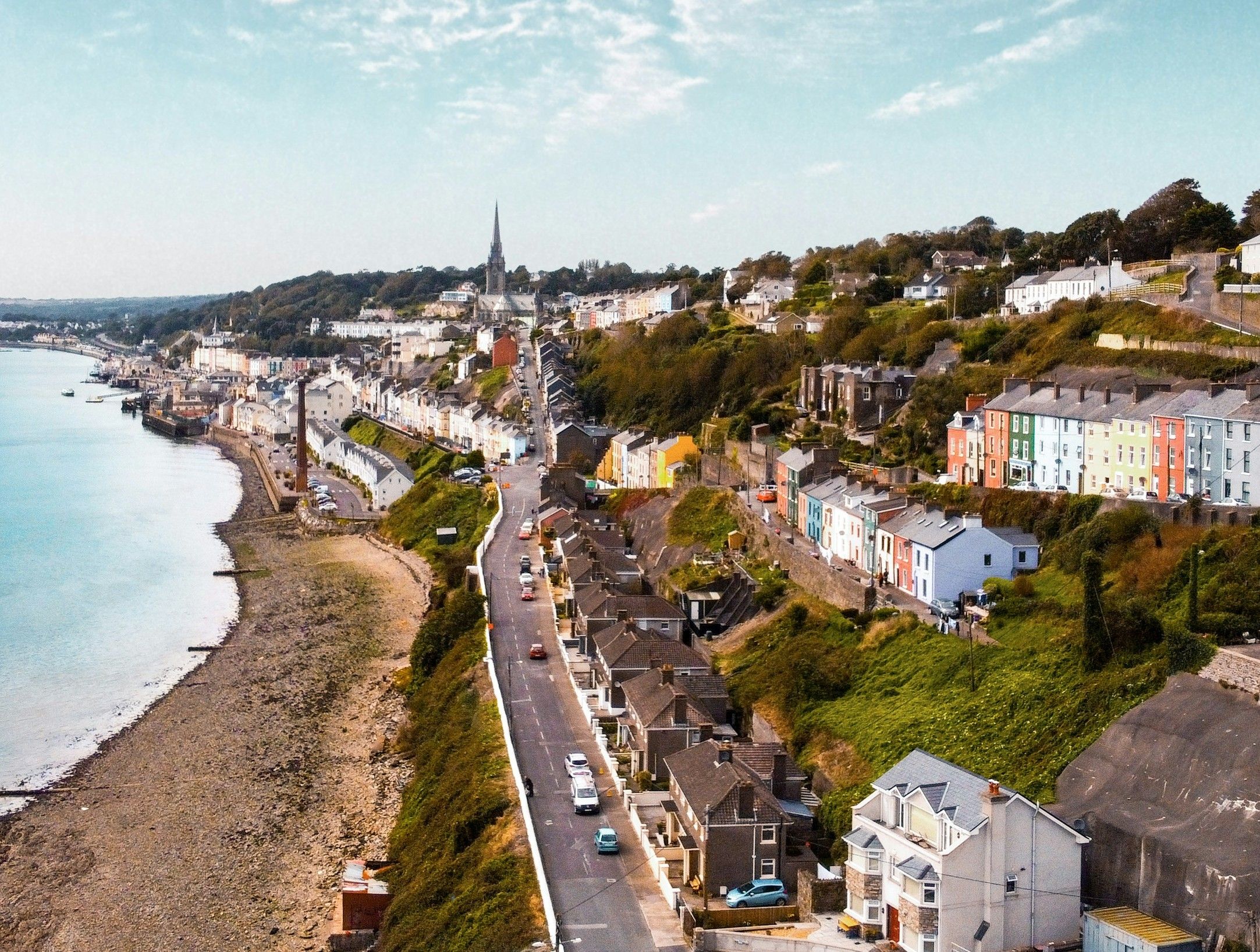
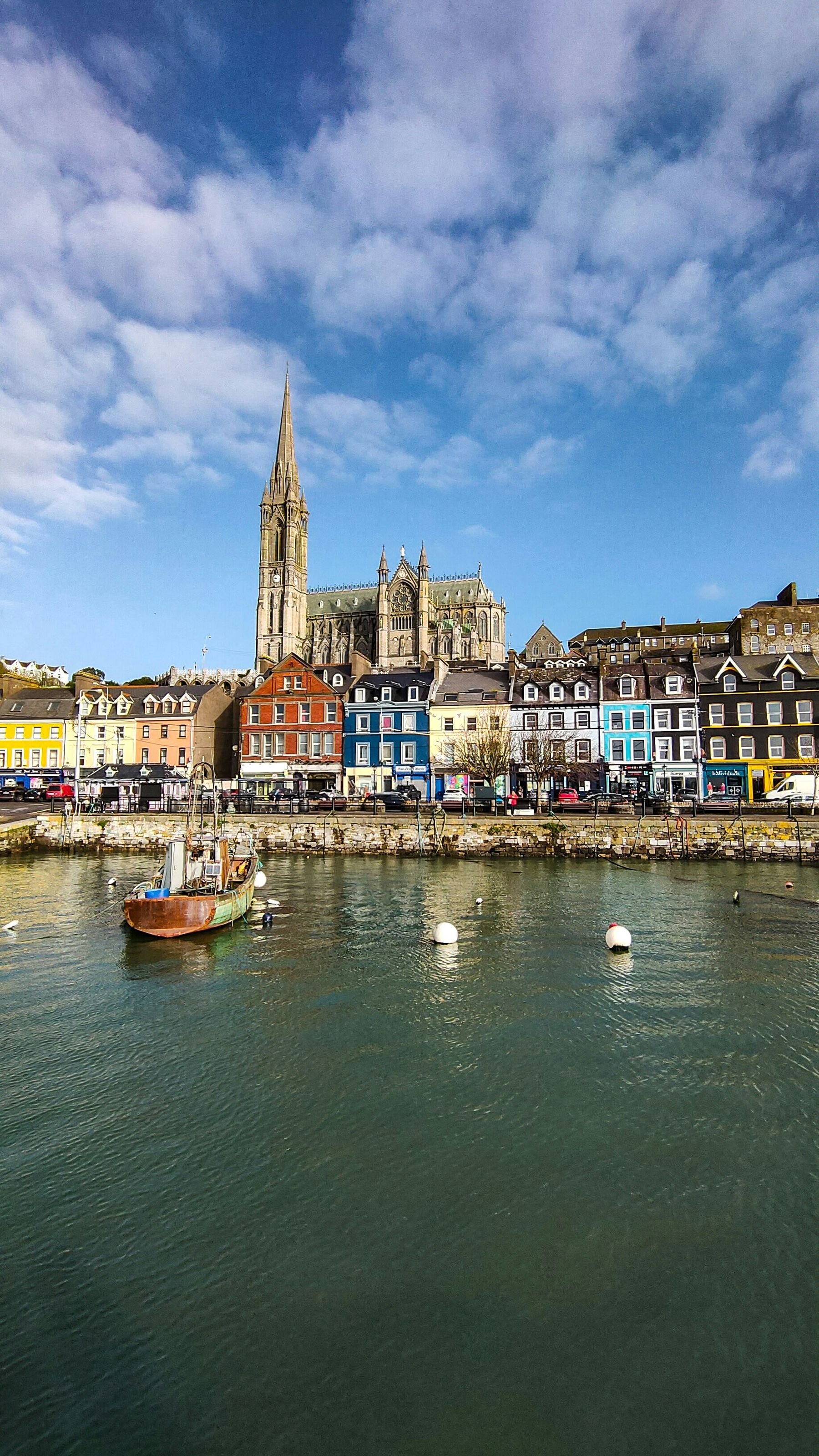
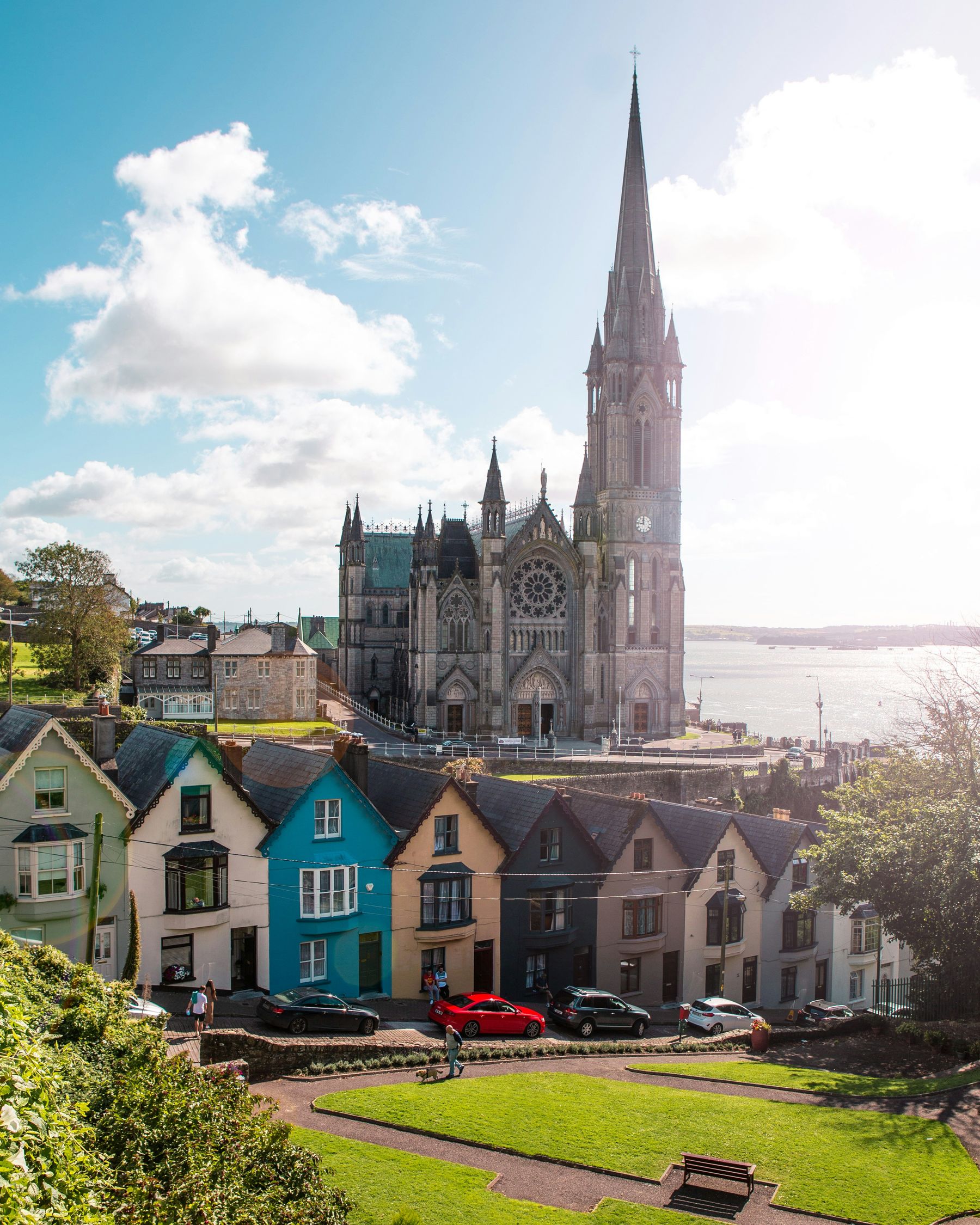
Perched on the edge of Cork Harbour, Cobh is one of Ireland’s most evocative seaside towns. Steep streets rise from the waterfront to colourful terraces, while the soaring spire of St Colman’s Cathedral dominates the skyline. Cobh’s story is deeply tied to Ireland’s maritime past, from emigration and naval history to one of the most famous voyages in the world.
The town is best known as the final port of call of the Titanic, but there is far more here than a single chapter of history. Cobh was once known as Queenstown and served as a major departure point for millions leaving Ireland for North America. That sense of farewell, hope, and resilience still lingers, giving the town a reflective and emotional character that visitors often remark upon.
Walking along the harbour reveals a town shaped by the sea. Cruise ships glide past, fishing boats bob at anchor, and heritage buildings tell stories of transatlantic travel, emigration, and exploration. The waterfront is compact and easy to explore, making Cobh ideal for a relaxed visit with meaningful depth. Nearby Spike Island, once a monastery, fortress, and prison, adds another powerful layer to the area’s history.
Cobh also feels alive and welcoming. Independent cafés, local pubs, and small museums sit alongside elegant Victorian architecture. Whether arriving by road, rail, or sea, the approach to Cobh is memorable, with sweeping views across one of the world’s largest natural harbours.
For many visitors, Cobh is not just a stop along the coast, but a place that quietly leaves a lasting impression through its stories, setting, and sense of place.
5 Facts Before You Visit Cobh
-
Cobh was the final port of call of the Titanic on April 11, 1912.
-
The town was formerly known as Queenstown until 1922.
-
Over 2.5 million emigrants departed from Cobh between 1848 and 1950.
-
St Colman’s Cathedral took over 50 years to complete and is visible for miles across Cork Harbour.
-
Spike Island, just offshore, has served as a monastery, military fortress, and one of the largest prisons in the British Empire.
“Cobh is a place of reflection for many like myself, whose ancestors were part of the Titanic’s journey. It’s moving to see the town thrive while still honoring its past so deeply.”
History
Scenery
Culture
Have questions about Cobh?
Our luxury Irish travel designers are ready to help and answer your questions.