
Planning a family trip to Ireland is one thing, but planning one for grandparents, parents, adult children, teenagers, grandchildren and perhaps even great-grandchildren is something else entirely.
Different ages. Varying interests. Dynamic energy levels. Individual ideas about what constitutes a reasonable time to leave the hotel in the morning. The temptation is to design several holidays at once: something for the children, something for the grandparents and something else to keep everybody in between happy.
But Ireland has a particular advantage when it comes to multigenerational travel.
Many of the experiences people remember most don’t belong to one generation in the first place.
A three-year-old can watch a sheepdog at work beside their grandfather. Parents and children can make Irish brown bread around the same kitchen table. A castle can make history tangible for a teenager while bringing back stories a grandparent has known for years. And nobody needs to be a particular age to stop beside a lake in Connemara and take in the view.
The best multigenerational trips aren’t necessarily about finding something for everyone. They’re about finding things everyone can share.
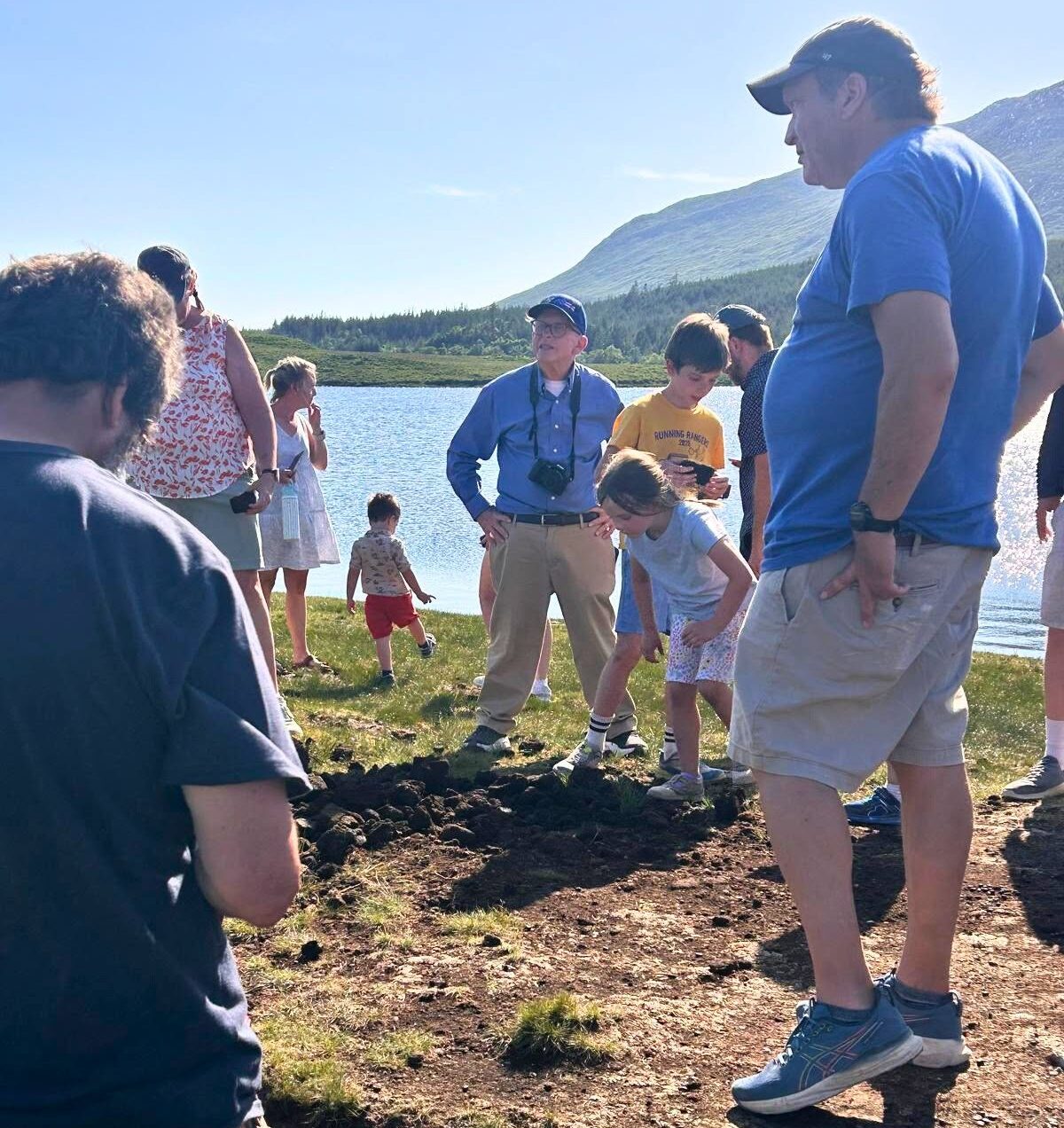
Four generations, from the age of 3 to 79
Luxury Irish Tours recently had an opportunity to put that idea into practice on quite a scale.
We welcomed Ohio Governor Mike DeWine and more than 48 members of his family to Ireland for a private family journey spanning four generations. The youngest traveller was three. Governor DeWine, at 79, was the eldest. In between were children, grandchildren, great-grandchildren, spouses and partners, all experiencing Ireland as one extended family.
There was an Irish connection behind the journey too. Governor DeWine’s great-great-great-grandfather left Ireland during the Great Famine and settled in Ohio in the 1840s. Nearly two centuries later, four generations of the family were back on Irish soil together.
Their itinerary took them through some of the country’s most beautiful landscapes, from Connemara and the west coast to Adare and West Cork. They stayed together privately at an Irish estate, travelled with their Luxury Irish Tours driver-guide Alan Stynes and, for the most part, experienced Ireland in a fairly simple way.
There were no velvet ropes required.
Why Ireland works so well across generations
There is certainly plenty in Ireland for children, plenty for adults and plenty for older travellers. But that’s not really the point we are making.
What makes Ireland particularly interesting for a multigenerational trip is how often those interests overlap.
Take a farm experience.
Young children see the sheep. Older children watch the dogs work. Adults start asking the farmer questions. Grandparents recognise something of a rural way of life that may feel familiar from their own childhoods or family stories. Nobody has been sent to the “children’s activity”. The family has simply experienced something together.
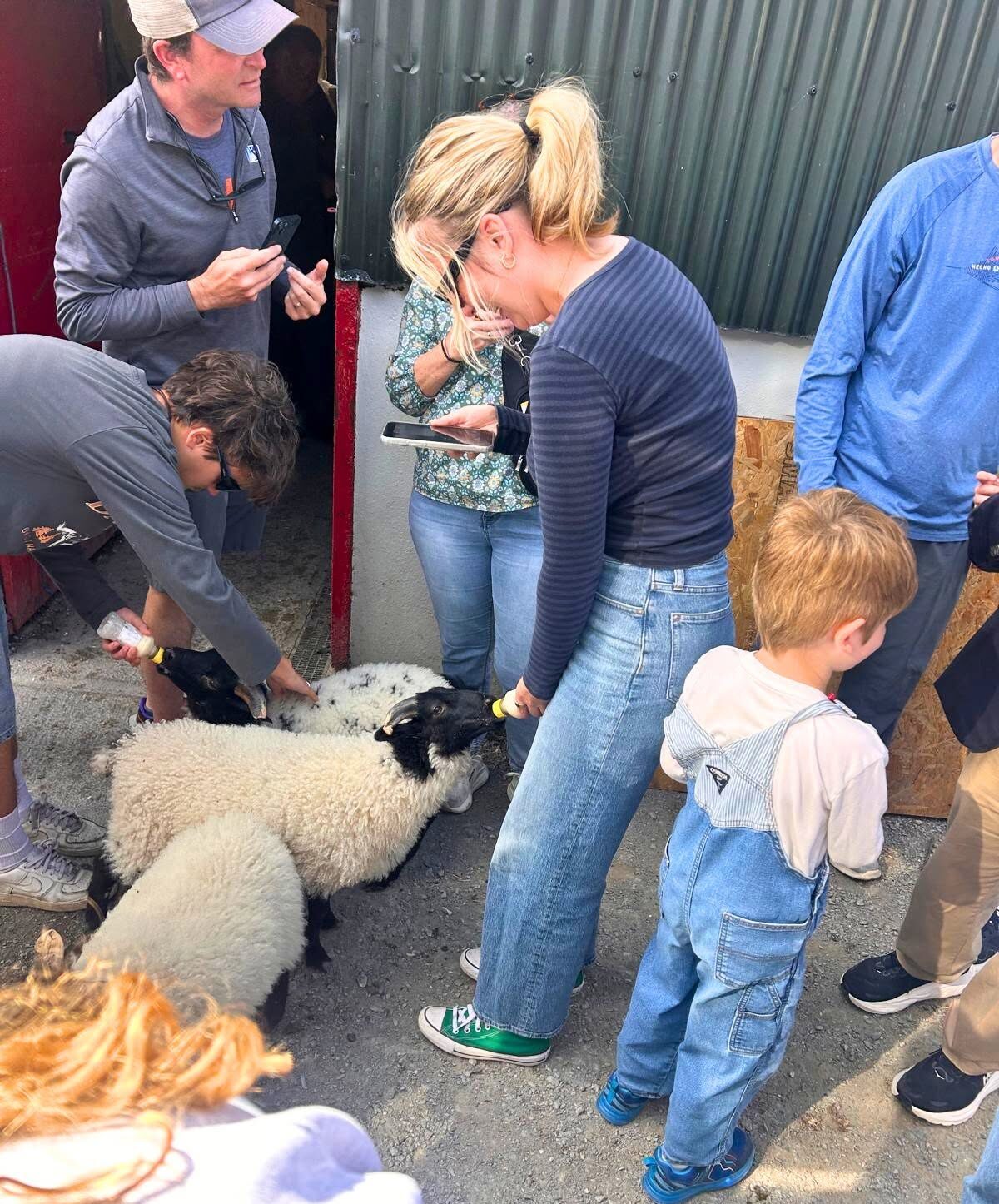
The same applies to traditional music, storytelling, Irish dance, food experiences and many of Ireland’s historic sites.
Ireland’s history isn’t always tucked safely behind museum glass either. It can be a ruined castle standing in a field, an ancient stone wall or ring fort, a famine road through a valley or the remains of a settlement beside the Atlantic.
You can walk through it.
You can touch it.
And crucially, for families travelling with younger generations, somebody can bring the story to life where it actually happened.
Sometimes the simplest experiences work best
Some of the DeWine family’s experiences were remarkably straightforward.
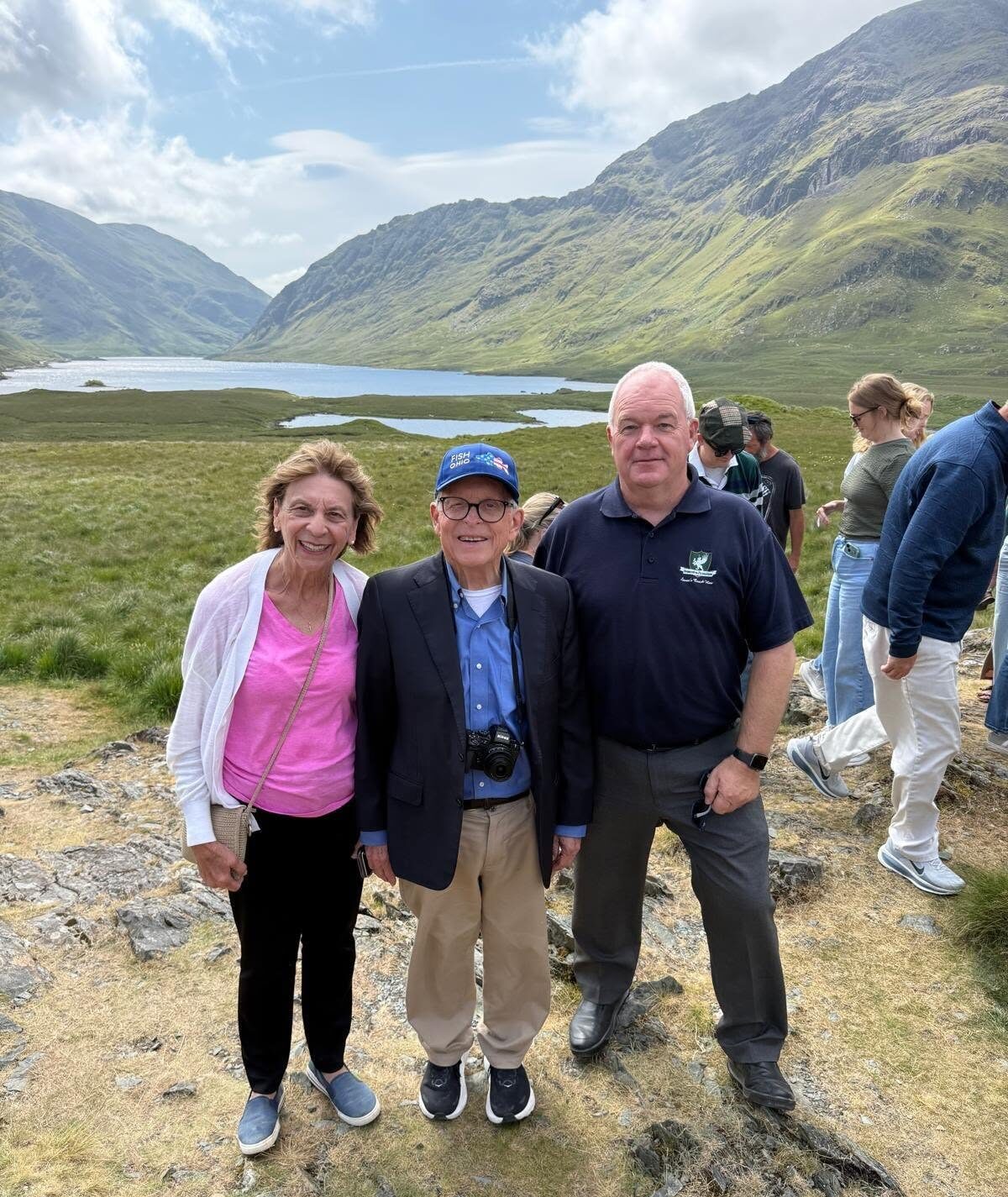
They spent time around Lough Inagh in Connemara. They saw turf, sheep and the realities of rural Irish life. Members of the family went kayaking near Clifden. They travelled through Killary Fjord and Doolough Valley. Their journey also brought them through the Burren, Adare and onwards to the spectacular coastline of West Cork.
And Ireland gave them something our planning team absolutely cannot take credit for.
A heatwave.
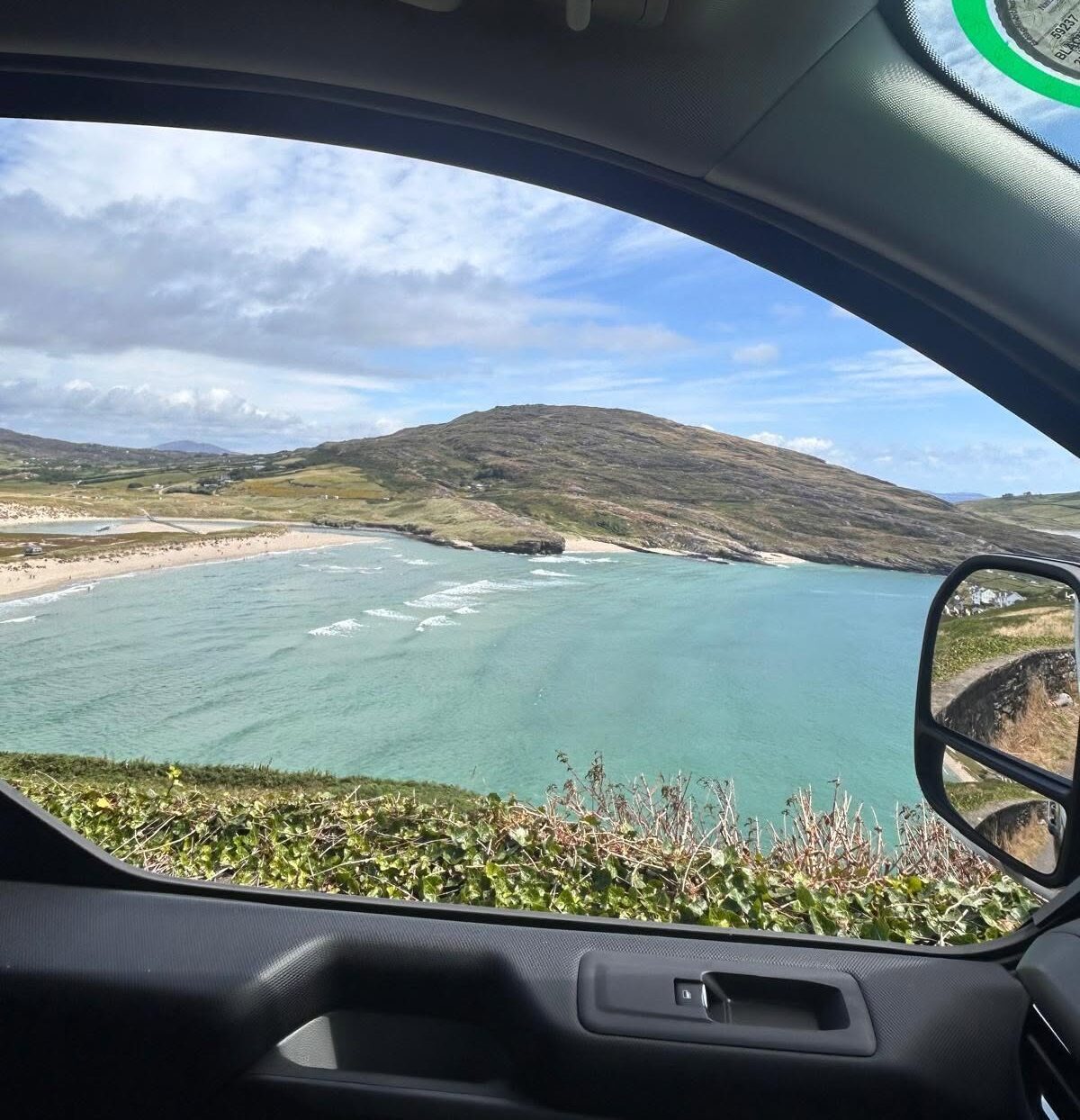
The family happened to arrive during a spell of glorious Irish summer weather (an “Irish heatwave”), and anyone can see by looking at the photographs that they made great use of it.
What is striking about many of these photographs isn’t an attraction in the background. It’s the age range in the foreground. Children, parents, grandparents and great-grandchildren are simply there together.
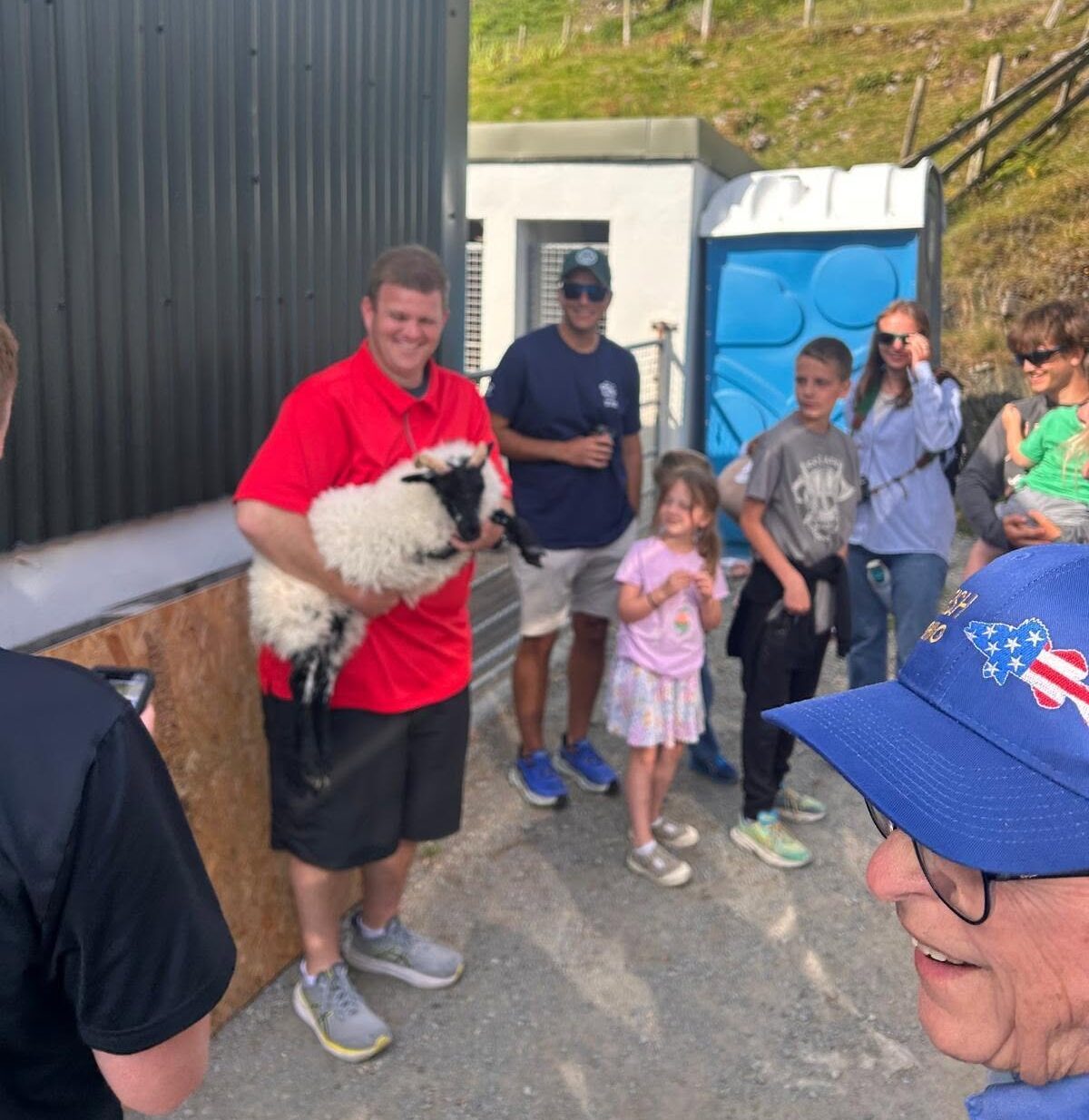
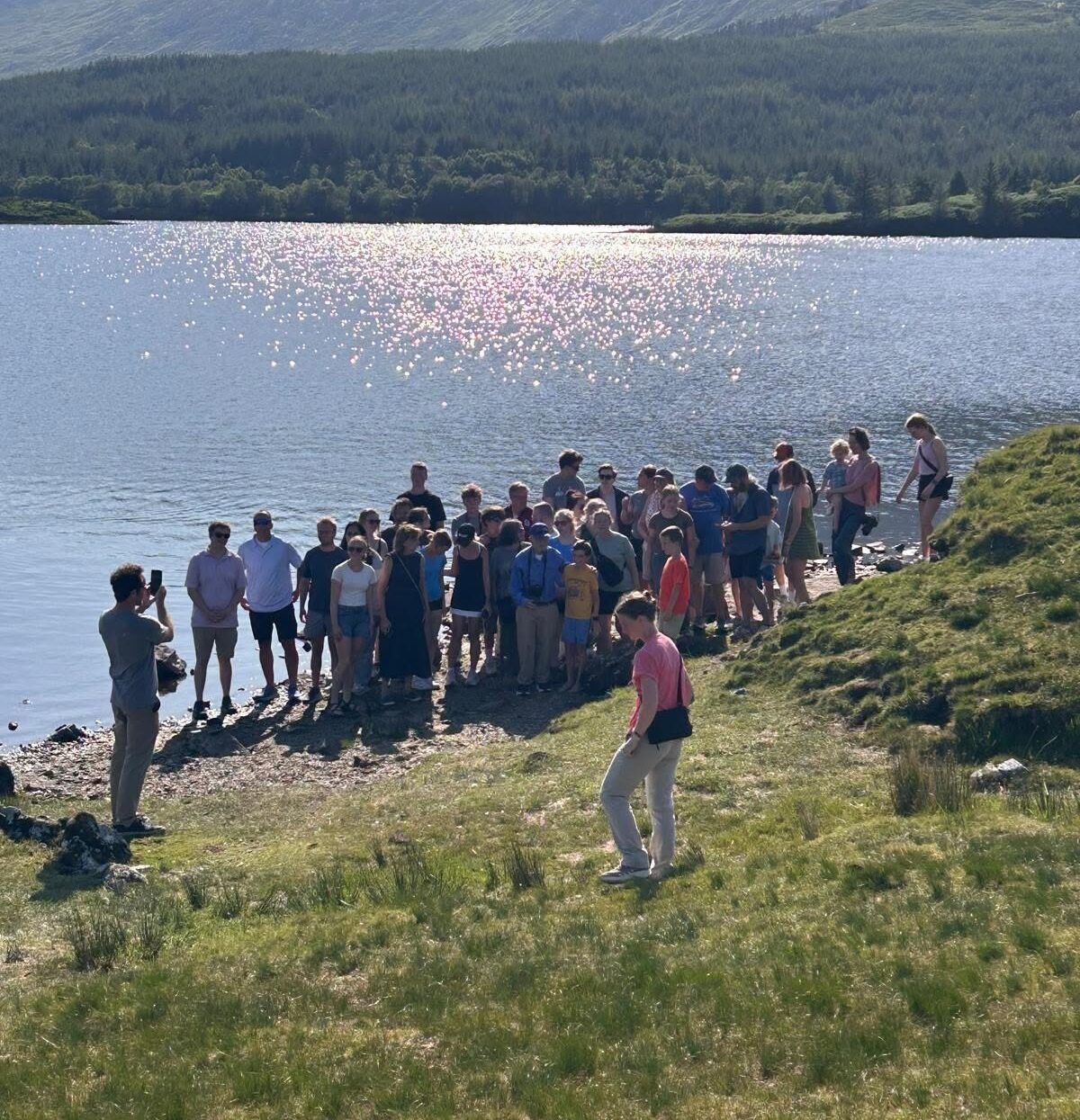
At a sheep farm, Governor DeWine is as interested in what’s happening as some of the youngest members of the family. Elsewhere, generations gather beside the water in Connemara. Some family members are kayaking. Others are taking in the scenery.
None of those moments needed to be manufactured into something “luxurious”. For multigenerational travel, luxury can mean something much more useful: having the time, privacy, comfort and flexibility to enjoy simple experiences properly.
History feels different when you’re standing in it
For families with Irish ancestry, travelling here together can add another dimension again. Sometimes one generation knows the family history intimately. The next has heard pieces of it. Younger family members may know little more than the fact that somewhere, several generations ago, ‘somebody’ left Ireland.
Travelling together puts that history into a physical place, and the DeWine family’s own story provides an interesting example.
Their Irish ancestor left during the Great Famine in the 1840s. During this family journey, the DeWines travelled through Doolough Valley in County Mayo, a beautiful landscape carrying its own sombre connection to that same period of Irish history. The notorious Doolough tragedy occurred there in 1849, when starving people were forced to walk through the valley seeking famine relief.
We don’t need to pretend that every stop on an ancestral journey produces some grand revelation. Sometimes simply understanding what happened in the landscape you’re travelling through is enough. For our planning team, however, details like these matter. Knowing why somebody wants to come to Ireland can be every bit as important as knowing where they want to go.
A family interested in ancestry may need a very different Ireland from a family arriving primarily for golf, food or outdoor adventure.
And sometimes one family needs a little of all of them.
Together doesn’t mean together every minute
This might be the most important piece of advice we could give anyone planning a multigenerational trip.
You do not have to do everything together.
In fact, please don’t.
There were occasions during the DeWine trip when the wider family separated naturally. Mike and his wife could have time on their own. At other points, children went off with their mums, while different generations of the men in the family bonded together.
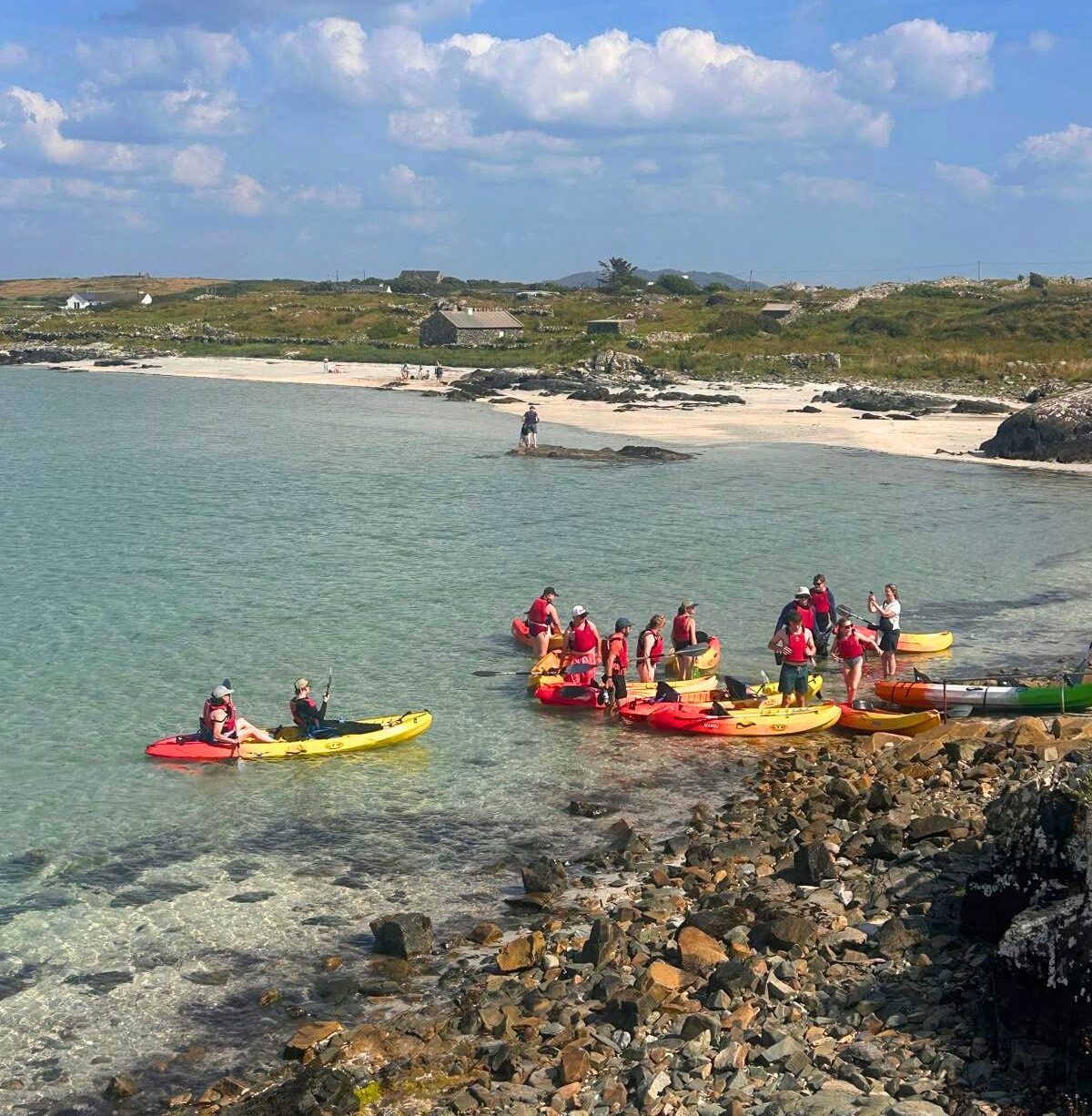
Some wanted more active experiences. Others didn’t. That’s exactly how it should work.
If several generations have travelled across the Atlantic together, there can be a strange pressure to make every hour a shared family experience. But forcing a grandparent who would prefer a leisurely morning into kayaking isn’t quality family time. Neither is telling an energetic teenager that everyone is spending four hours over lunch.
A private itinerary gives a family permission to divide and reconvene.
Some might play golf while others explore a nearby town. Younger family members might head outdoors while grandparents enjoy the hotel. Two generations might spend an afternoon together before the whole family meets again for dinner. But ‘together’ doesn’t have to mean together every minute.
Often, a little space makes the time everybody does spend together much better.
Build the itinerary around pace, not a checklist
Ireland looks reassuringly small on a map… and this very assumption has led many an ambitious itinerary astray.
Our roads don’t always behave like American highways, and some of the most enjoyable journeys in Ireland are precisely the ones where getting from A to B isn’t the whole point.
You stop.
Someone spots something.
The driver knows a place worth pulling into.
Lunch takes longer than expected.
The weather suddenly becomes beautiful.
Or suddenly becomes very Irish. ☔
With several generations travelling together, breathing room becomes even more important. Changing hotels every night might look efficient on paper. In reality, packing 30 or 40 people’s belongings every morning is nobody’s idea of a holiday. Likewise, a 7:30am departure might be perfectly manageable once. Making it the family routine for ten days is another matter.
The best itinerary isn’t necessarily the one that fits in the most.
Sometimes its success is determined by what you leave out.
For a big family, comfortable transport changes everything
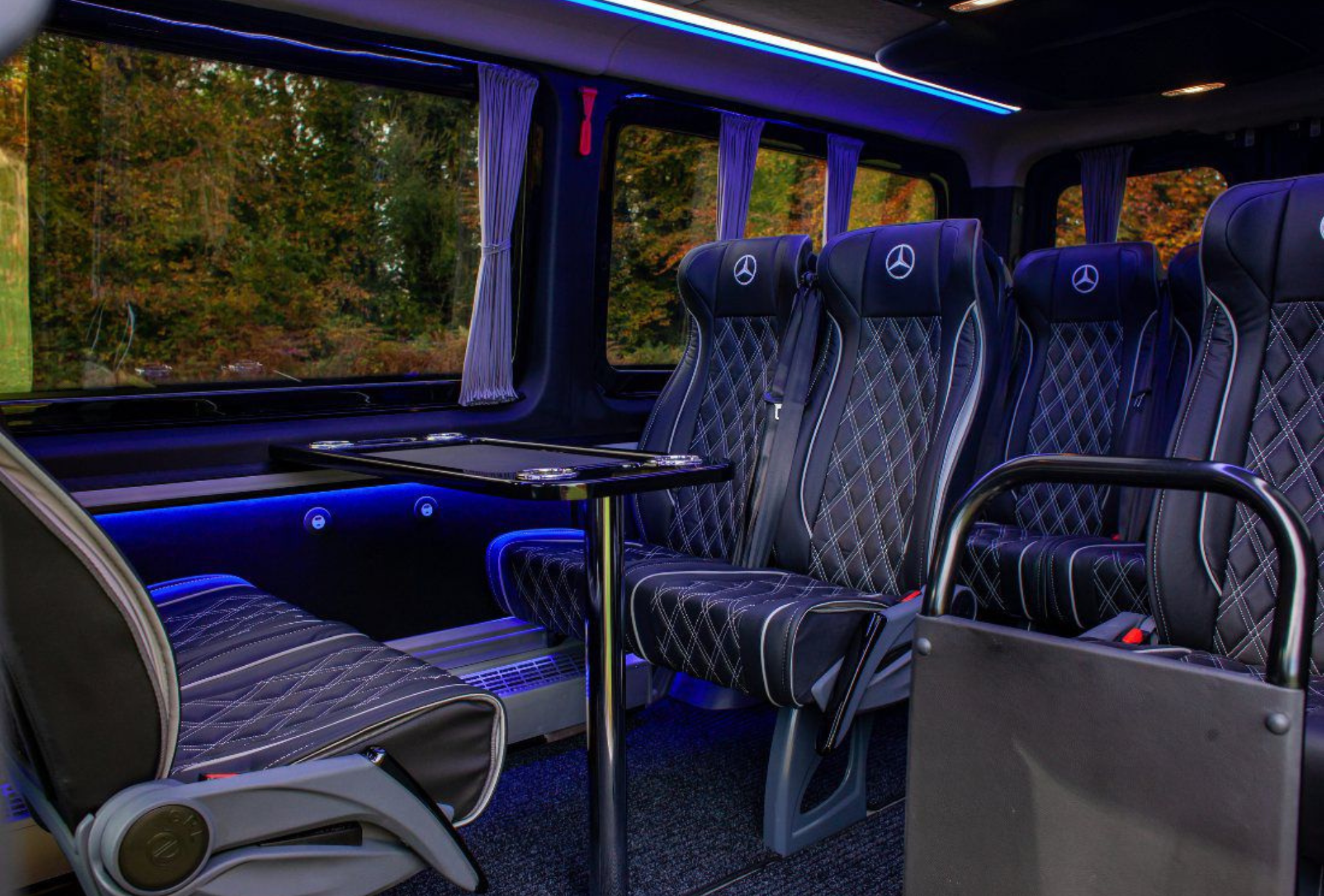
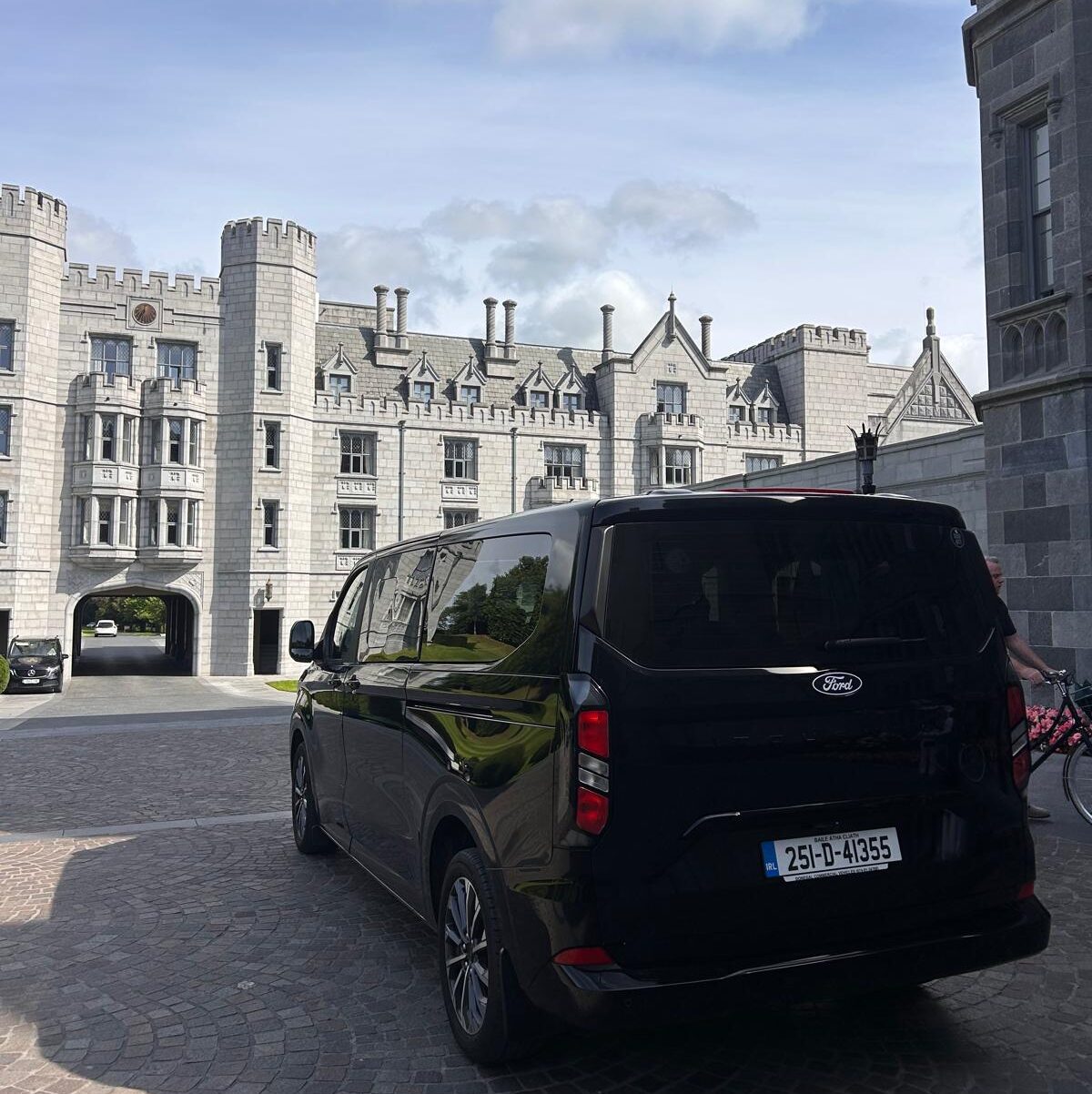
There is also the practical matter of moving everybody. For the DeWine family, Luxury Irish Tours used a 63-seat private coach for a travelling party of more than 48 people.
That extra capacity was deliberate. Large families come with luggage. They come with jackets, bags, children’s belongings, things bought along the way and a natural tendency to spread out as the days go by.
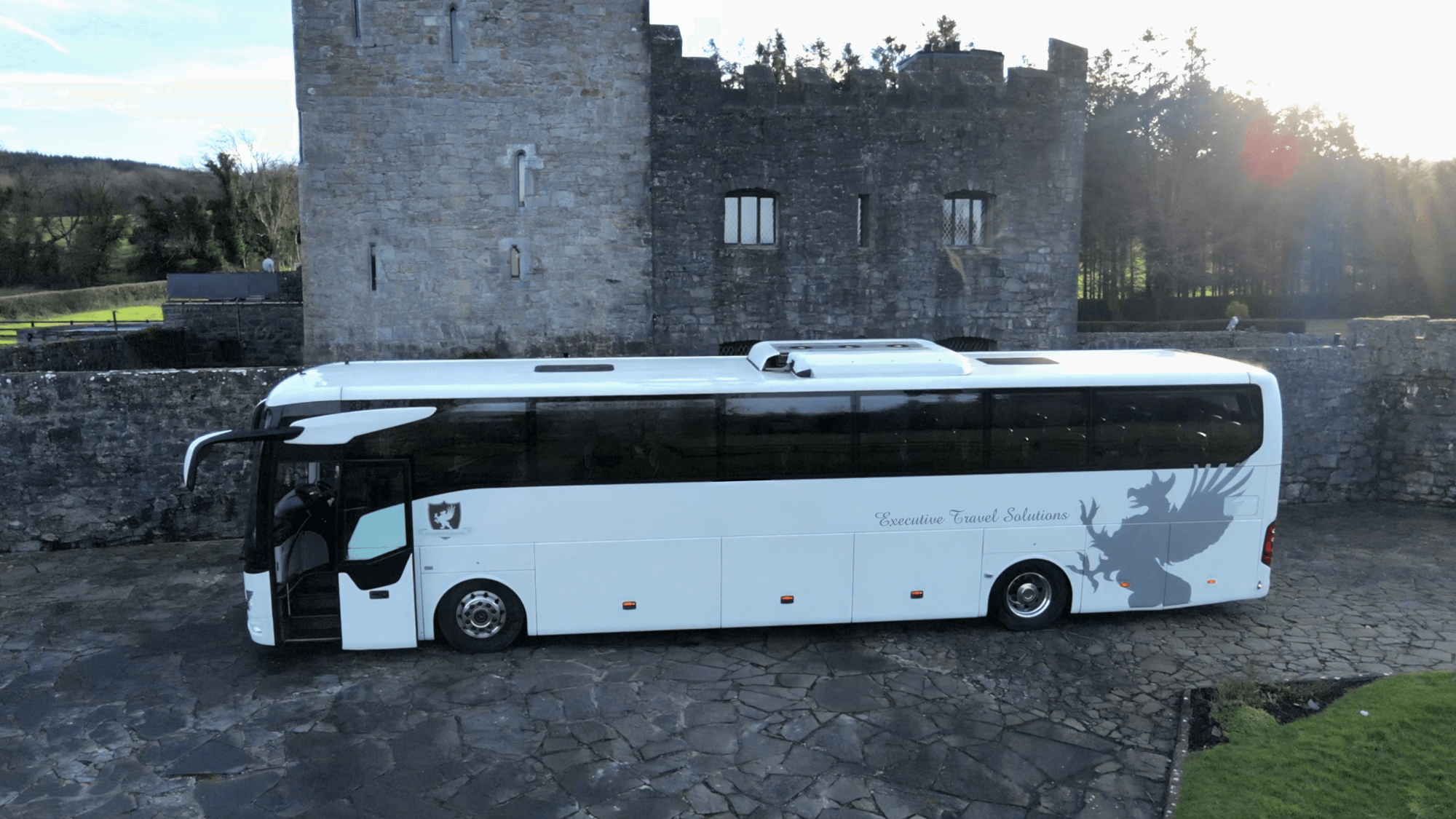
Having additional space made the journey more comfortable and gave the family room to travel rather than simply fitting everybody into the smallest possible vehicle. And there is an important distinction here:
A private coach does not mean a coach tour.
When one extended family fills a large vehicle, the coach is simply their private transport. There is no stranger in row six waiting for the group to get back on board. The route belongs to the family. The timings belong to the family.
And when plans change, as family plans invariably do, there is one transport operation to adjust rather than a convoy of rental cars trying to find one another somewhere in Connemara. For a group of 48+, those practical details are a large part of what makes the trip feel easy.
Where everybody sleeps matters too
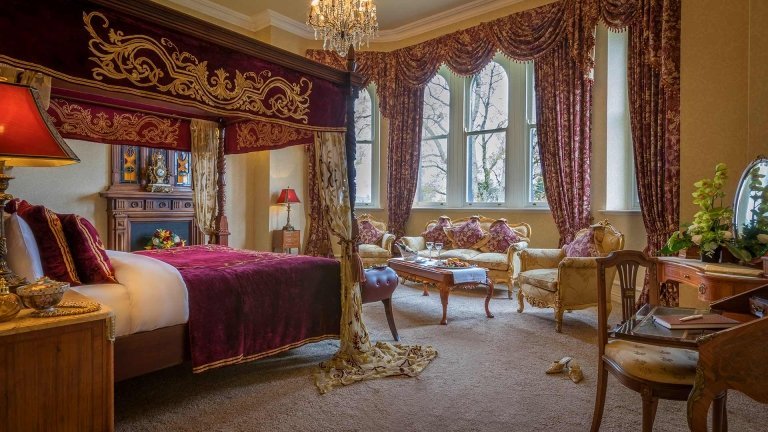
Accommodation needs different thinking as a family grows. The “best hotel” isn’t automatically the best choice if relatives are scattered across different floors, buildings or even properties. Sometimes a private estate or exclusive-use property makes considerably more sense.
For their journey, the DeWine family stayed together privately at an Irish estate. We won’t identify it, but the principle is worth sharing.
A property where different generations have room to retreat while still having places to gather can completely change the character of a family trip.
Children have space. Adults aren’t coordinating meeting points constantly. Grandparents can take an afternoon off without feeling removed from everyone else, and the family can simply exist together in a way that’s difficult when everybody is continually checking in, checking out and packing suitcases.
The accommodation becomes part of the itinerary rather than somewhere everybody sleeps between activities.
What will four generations actually remember about their time in Ireland?
There are plenty of extraordinary things we can arrange for a family coming to Ireland.
Beautiful hotels. Private guides. Castle stays. Fine dining. Golf. Exclusive experiences. They all have their place.
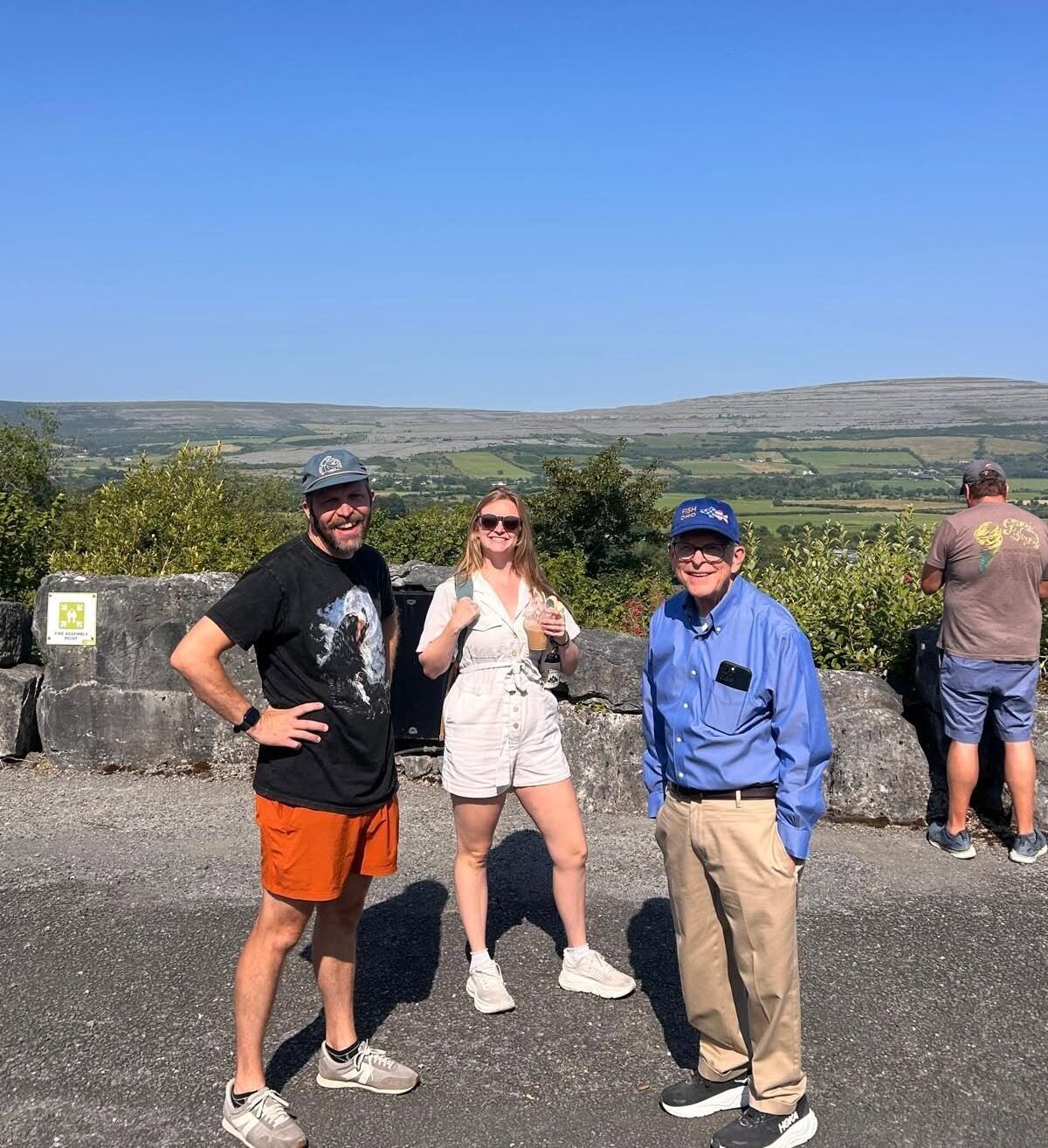
But looking back at the photographs from this particular journey, some of the strongest memories seem much simpler.
A three-year-old meeting the sheep.
Family members climbing into kayaks off the west coast.
Grandparents and great-grandchildren standing beside the same Irish lake.
A sunny day in Connemara.
Everyone piling back onto the coach.
A family whose story stretches back to an ancestor leaving Ireland during the Great Famine, returning generations later with four generations travelling together.
And guess what? …There is a practical side to making this happen.
Somebody needs to think about rooms, vehicles, luggage, pace, accessibility, restaurants, weather, different interests and all the other details the family ideally never has to think about once they’re here. That’s what thoughtful multigenerational travel planning should achieve. Not a holiday where every person does everything. And not four separate holidays running alongside one another.
One family journey, with enough flexibility for everybody to experience Ireland in their own way and enough shared moments to make it feel like they experienced it together.
So, what did the DeWine family do in Ireland? Quite a lot, actually. But the most important thing they did was much simpler.
They spent time together.
FAQ: Planning a Multigenerational Trip to Ireland
Is Ireland a good destination for a multigenerational family trip?
Yes. Ireland works particularly well for multigenerational families because many experiences can be enjoyed across age groups rather than requiring separate activities for children, parents and grandparents. Castles, farm visits, sheepdog demonstrations, traditional music, food experiences, scenic touring and historic sites can all become shared family experiences. A private itinerary also allows different generations to separate occasionally and meet again later.
How many days should a multigenerational family spend in Ireland?
For most families travelling internationally, around 8 to 10 days gives enough time to experience several parts of Ireland without making the itinerary unnecessarily rushed. Families with young children, older grandparents or a large travelling party may benefit from staying longer in fewer locations rather than changing accommodation every night or two.
What are the best things to do in Ireland with grandparents and grandchildren?
Some of the best activities are those that don’t feel designed for one particular age group. Farm and sheepdog experiences, castles, storytelling, traditional music, gentle coastal walks, Irish food experiences, scenic drives and historic sites can work particularly well. More active experiences such as kayaking, hiking or golf can then be incorporated for family members who want them without requiring the entire group to participate.
Is a private driver or coach worth it for a large family trip to Ireland?
For a large or multigenerational family, private transport can remove a considerable amount of daily organisation. It keeps luggage and passengers together, removes the need for multiple rental cars and allows the itinerary to be adapted as the trip unfolds. The appropriate vehicle depends on family size: a smaller family may travel with a private driver in an executive vehicle or Mercedes Sprinter, while a larger extended family may require a private coach.
Can a multigenerational Ireland itinerary accommodate different ages and mobility levels?
Yes, but this should be considered during the planning stage rather than after the itinerary has been created. Walking distances, hotel accessibility, vehicle access, rest periods, activity difficulty and the number of accommodation changes can all be adjusted. A well-designed multigenerational itinerary should also include opportunities for family members to opt out of particular activities without disrupting everybody else’s day.